Need Urgent Dental Care? Emergency Dentist Beverly Hills Answers

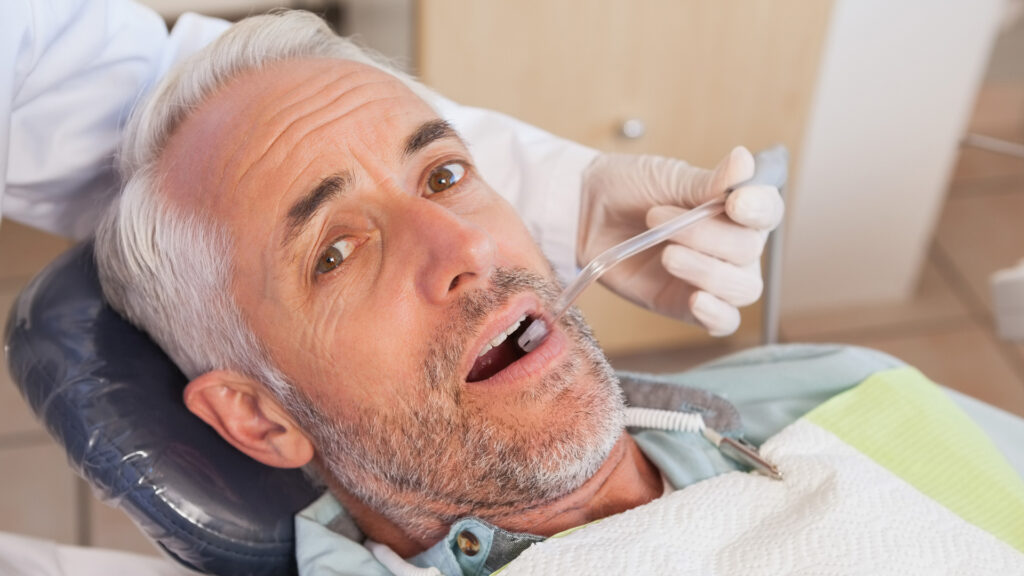
Dental emergencies have a way of hijacking an ordinary day. A cracked molar at lunch, a child who takes an elbow to the mouth during a game, a crown that comes loose the night before a work event, a deep throbbing ache that turns sleep into a memory. When pain is sharp, swelling is rising, or blood will not stop, people do not want a lecture on oral hygiene. They want clear direction, fast relief, and a dentist who knows how to sort out what is truly urgent.
That is where an experienced emergency dentist becomes indispensable. In a place like Beverly Hills, patients often assume emergency care means a polished office and quick scheduling. Those things matter, but what matters more is judgment under pressure. Urgent dental treatment is not just about getting someone into a chair. It is about deciding whether a tooth can be saved, whether an infection has moved Dental Group of Beverly Hills Emergency Dentist Beverly Hills beyond the tooth, whether a chipped front tooth is mostly cosmetic or structurally dangerous, and whether a patient needs a dental office, a hospital, or both.
People often search for an Emergency Dentist Beverly Hills when they are already in distress. The search itself can feel rushed and disorienting. It helps to know what situations demand same-day care, what you can do at home in the first hour, and what kind of treatment to expect once you arrive.
The difference between urgent and routine dental problems
Not every dental problem is an emergency, even when it is uncomfortable. A rough filling, mild temperature sensitivity, or a chipped tooth with no pain can often wait a day or two. But there are patterns dentists learn to take seriously, because they tend to worsen quickly or carry a real risk to health.
Severe tooth pain that keeps building is one of the most common reasons people seek emergency care. Sometimes it is a cavity that has reached the nerve. Sometimes it is an abscess, which is a pocket of infection. The two can feel similar at first, but an abscess can become dangerous if swelling spreads into the face, jaw, or neck. A knocked-out tooth is another true emergency, especially in adults, because the odds of saving it drop as time passes. A broken tooth can also shift from inconvenient to urgent if the crack runs deep, if the nerve is exposed, or if a sharp edge is cutting the tongue or cheek.
Bleeding matters too. Gums may ooze a little after flossing or a recent extraction, but active bleeding after trauma, or bleeding that does not slow with pressure, should be assessed promptly. Swelling, fever, a bad taste in the mouth, difficulty swallowing, and trouble opening the mouth fully are all signs that a simple tooth problem may not be simple anymore.
A practical way to think about it is this. If the problem is escalating, interfering with breathing, swallowing, or sleep, or involves trauma to the teeth or jaw, it deserves immediate attention.
What deserves same-day care
Patients are often unsure whether they are overreacting. In my experience, people are more likely to wait too long than to come in too early. A few hours can make the difference between a straightforward repair and a much more complex procedure.
These situations usually justify contacting an emergency dentist right away:
- A knocked-out adult tooth, or a tooth that has been pushed loose or out of position after trauma.
- Severe toothache with swelling, fever, or pain that is not controlled by standard over-the-counter medication.
- A broken, cracked, or fractured tooth that causes significant pain, bleeding, or sharp edges cutting soft tissue.
- Facial swelling, gum swelling with pus, or signs of an abscess such as pressure, foul taste, or tenderness to touch.
- Uncontrolled bleeding after dental work or after an injury to the mouth.
That list is not exhaustive, but it captures the most common same-day scenarios. Timing matters with each one. With a knocked-out tooth, especially, the clock starts immediately.
What to do in the first hour
Panic is understandable, but the first few steps can materially improve the outcome. I have seen teeth successfully replanted because someone handled them carefully and got to the office fast. I have also seen salvageable situations become much harder because the tooth was scrubbed clean, wrapped in tissue, or left dry on a counter.
If a permanent tooth is knocked out, pick it up by the crown, not the root. If it is dirty, rinse it gently with milk or saline if available, or with clean water for a second or two. Do not scrape it. In some cases, an adult can place the tooth back into the socket and bite gently on gauze to hold it there. If that feels unsafe or impossible, store the tooth in milk or a tooth-preservation solution if one is available. Then get to an emergency dentist quickly. Teeth replanted within about 30 minutes tend to have the best odds, though dentists still try beyond that window.
For severe tooth pain, rinse the mouth with warm salt water and use a cold compress on the outside of the face if there is swelling. Avoid placing aspirin directly on the gum, a folk remedy that can actually burn tissue. If a crown or filling falls out, keep the area clean and avoid chewing on that side. A piece of sugar-free gum may temporarily cover a sharp edge, but it is not a repair.
When swelling affects breathing, swallowing, or the ability to manage saliva, the situation has moved beyond ordinary dental urgency. That is when an emergency room is the right first stop.
When the ER is the better choice
Patients sometimes assume the emergency room can handle any dental problem. In reality, hospitals are essential for some mouth-related emergencies and inefficient for others. Most ER physicians are not equipped to perform definitive dental treatment such as root canal therapy, crown repair, or reimplantation under ideal dental conditions. They can, however, manage serious infections, trauma, uncontrolled bleeding, and airway risk.
Go to the ER without delay if you have rapidly spreading facial swelling, trouble breathing, trouble swallowing, significant trauma to the jaw or face, or bleeding that does not slow after firm pressure. Fever with worsening facial swelling also deserves urgent medical attention, particularly if it is accompanied by lethargy, dehydration, or a sense that the infection is spreading.
For isolated tooth pain, a chipped tooth, a lost filling, or a dental abscess without breathing issues, an emergency dentist is usually the more direct and effective choice. That is where the underlying source can be treated rather than merely stabilized.
The emergencies dentists see most often
The phrase “dental emergency” sounds broad, but a handful of problems account for most same-day visits. Each has its own pattern, and each requires slightly different judgment.
A toothache is often more complex than patients expect. Pain can come from decay, a cracked tooth, gum infection, clenching, sinus pressure, or an old filling that has failed. Dentists use a combination of history, examination, percussion tests, temperature tests, and X-rays to sort these out. A throbbing pain that worsens with heat and lingers can point toward nerve inflammation. Pain when biting may suggest a crack or ligament injury around the tooth. Swelling near the gum line often signals infection.
Cracked teeth are especially tricky. A visible chip may be minor, while an almost invisible fracture can cause sharp, unpredictable pain and threaten the long-term survival of the tooth. The treatment depends on depth and location. Some cracks can be stabilized with bonding or a crown. Others require root canal therapy if the pulp is involved. A split tooth that extends too far below the gum line may not be restorable.
Abscesses deserve respect. Not every abscess announces itself with dramatic swelling at first. Some begin as a dull pressure, tenderness when chewing, or a bad taste in the mouth as the infection drains intermittently. Patients sometimes take antibiotics left over from another illness and assume the problem is solved when the pain eases. It is not. Antibiotics may reduce the spread temporarily, but the infected tooth still needs definitive treatment, usually either root canal therapy or extraction.
Lost restorations are common, particularly old crowns that finally loosen or large fillings that fail after years of chewing force. These may not seem like emergencies compared with trauma, but they can become urgent if the exposed tooth is painful, if the bite is unstable, or if the front tooth affects speech or appearance in a time-sensitive situation. In Beverly Hills, cosmetic urgency often rides alongside clinical urgency. A front veneer that dislodges before a public appearance or work commitment may not threaten health, but it still demands prompt, skilled care. The best emergency dentists understand both sides of that equation.
What happens at an emergency dental visit
People in pain want to know two things immediately. Will this hurt, and will the dentist fix it today?
The honest answer is that the first goal is usually relief and stabilization. Definitive treatment may happen at the same visit if the diagnosis is clear and the situation allows it. For example, a lost crown can often be recemented the same day if the tooth underneath is sound and the fit is still good. A painful infected tooth may be opened and drained, treated with root canal therapy, or extracted, depending on the findings. A broken front tooth can sometimes be bonded beautifully in one appointment if enough healthy structure remains.
The appointment usually starts with a focused exam and dental imaging. Good emergency care is efficient, but it is not careless. Rushing into treatment without understanding the source of pain leads to mistakes. Sometimes the tooth that hurts is not the one causing the problem. Referred pain from one side of the mouth to the other is not rare. Sinus pressure can mimic upper molar pain. Night grinding can make several teeth feel sore at once.
After diagnosis, the dentist will walk through options. That part matters. The right answer is not always the most aggressive answer. If a cracked molar can be stabilized and saved with a crown after symptoms settle, that may be preferable to extraction. If the crack runs vertically through the root, saving it may not be realistic. Good emergency dentistry includes saying what can be done today, what should be done next, and what the long-term prognosis looks like.
Pain control is usually far better than anxious patients expect. Modern local anesthetics work well, though infected tissue can be harder to numb completely. Experienced clinicians know how to adjust technique, supplement anesthesia, and pace treatment so patients are not white-knuckling through the appointment.
Saving a knocked-out tooth, what really influences success
People often hear that a knocked-out tooth can be saved if they get to the dentist quickly, which is true, but the details matter. The best outcomes depend on how the tooth was handled, how long it stayed out of the mouth, whether the root surface dried out, and whether the patient is a child or an adult.
A primary tooth, also called a baby tooth, is not usually replanted because doing so can damage the developing permanent tooth underneath. That surprises many parents. They assume every missing tooth should go straight back into place. With permanent teeth, the calculus changes. Reimplantation is often worth attempting, especially if the tooth is intact and the patient arrives promptly.
The root surface carries delicate ligament cells that help the tooth reattach. Scrubbing the root or letting it dry for a long period lowers the odds. Milk is useful because it helps preserve those cells better than dry storage. Plain water is better than nothing for a brief rinse, but it is not ideal for extended storage.
Even when reimplantation succeeds initially, follow-up is important. Some teeth later require root canal treatment. Some resorb or fuse to the bone over time. Patients are often so relieved to see the tooth back in place that they underestimate the months of monitoring ahead. Emergency care starts the rescue, it does not finish it.
Beverly Hills patients often have two concerns at once, function and appearance
One distinct feature of emergency dental care in Beverly Hills is that aesthetics often matter on a compressed timeline. That does not mean people are superficial. It means many patients work in fields where appearance is part of their professional currency, or they simply do not want a visible dental injury to become one more source of stress.
A fractured front tooth is a good example. The emergency is not just sensitivity or sharp edges. It can also affect speech, confidence, and the willingness to show up for an event, meeting, or recording. In experienced hands, same-day composite bonding can be surprisingly refined. Done well, it restores contour, closes the visual gap, and protects the tooth until a more permanent plan is chosen if needed.
That said, aesthetics should not outrun biology. Rebuilding a tooth beautifully without addressing a crack, pulp injury, or bite issue is not good emergency care. The best outcome balances immediate appearance with structural reality.
Why some people delay, and why that often backfires
Dental pain has a strange way of negotiating with people. If it subsides for a few hours, they talk themselves into waiting. If it is intermittent, they assume it cannot be serious. If they are traveling, working, caring for children, or nervous about treatment, they push it to the next day and then the next.
Sometimes they get lucky. More often, the problem gets more expensive, more painful, or less reversible. A small crack becomes a split. A cavity that might have needed a filling reaches the nerve and now needs root canal therapy and a crown. An abscess drains on its own, which feels like improvement, but the infection remains. I have heard many versions of the same sentence: “It was bad last week, then it got better, and now it is unbearable.” That pattern is classic for a dying nerve and spreading infection.
Delay also complicates pain control. Inflamed tissues are simply harder to anesthetize. Patients who come in early tend to have smoother appointments and better options.
How to choose an emergency dentist when time is short
In an urgent moment, most people do not have the luxury of careful comparison. Still, a few signals can tell you whether you are calling the right place.
Look for an office that offers true same-day emergency assessment, not just a callback promising the next available opening. Ask whether they treat the specific issue you have, especially if it involves trauma, a knocked-out tooth, or severe swelling. Find out whether they can take diagnostic X-rays on site and whether they handle procedures such as extractions, temporary stabilization, root canal treatment, or referrals coordinated in real time if specialty care is needed.
The right questions are simple:
- Can you see me today, and how quickly?
- Do you treat dental trauma, severe tooth pain, swelling, or knocked-out teeth?
- What should I do before I arrive?
- Will I get a diagnosis and pain-relief plan at this visit?
- If I need specialist care, can you coordinate it immediately?
Those answers tell you a lot about whether the office understands emergency dentistry or merely advertises it. A good Emergency Dentist Beverly Hills practice will not overpromise. They will tell you what to do now, what to bring, and whether your symptoms suggest you should go to the ER first.
Children, older adults, and a few important edge cases
Dental emergencies do not look exactly the same across age groups. Children often present after falls, sports injuries, or rough play. The challenge is not just the tooth, but also cooperation, fear, and uncertainty about whether the injured tooth is primary or permanent. Parents should avoid trying to force a tooth back in unless they have clear guidance and know it is permanent. Prompt evaluation is still important, because injuries to surrounding bone and soft tissues can be easy to miss.
Older adults may have different vulnerabilities. Teeth with large old fillings, crowns, gum recession, or decades of wear are more prone to fracture. Dry mouth from medications can accelerate decay and turn what seemed like a minor problem into a deep infection. People with diabetes, immune compromise, or a history of head and neck radiation deserve especially careful attention when infections are involved, because healing and infection spread do not always follow the usual script.
Another edge case is jaw pain after trauma. Not every post-injury dental complaint is about a tooth. A patient may say, “My bite feels off,” or “I cannot close the way I normally do.” That can signal a jaw injury or tooth displacement that needs immediate evaluation. Mouthguard use in sports reduces these injuries significantly, but it does not eliminate them.
The role of antibiotics, and the common misunderstanding
Antibiotics are useful, but they are not magic and they are not a substitute for treatment. This is one of the most persistent misconceptions in urgent dental care. If the source of infection is inside a tooth or around its root, that source usually needs to be drained, cleaned, or removed. Antibiotics help when infection is spreading, when swelling is present, or when systemic symptoms suggest the body needs support. They do not reliably cure a tooth infection on their own.
This matters because patients sometimes seek medication first, hoping to avoid treatment until it is convenient. The short-term relief can create false confidence. Then the pain returns, often at a worse moment, such as a weekend, a trip, or late at night.
A careful dentist prescribes antibiotics when indicated and avoids them when they are not. Overprescribing is not safer care. It is less precise care.
After the emergency, what recovery usually looks like
A good emergency visit should leave you with more than a temporary patch. You should know what was found, what was done, what symptoms are expected, and what warning signs mean you need follow-up sooner than planned.
Some soreness after treatment is normal. So is tenderness when biting for a short period after a high filling is adjusted or a traumatized tooth is stabilized. Worsening swelling, fever, increasing pain after an initial improvement, or a change in bite that feels dramatic should prompt a call back.
Many emergency problems require a second phase. A bonded tooth may later need a veneer or crown. A tooth opened to relieve pressure may need completed root canal therapy. An extraction site may need future replacement planning. In that sense, emergency dentistry is both immediate and strategic. It solves the crisis, then it protects the future of the mouth.
That bigger picture is what experienced patients come to value most. Relief matters, obviously. So does being treated by someone who can see beyond tonight’s pain and make decisions that still look wise six months from now.
If you are facing sudden tooth pain, swelling, trauma, or a broken tooth, the safest move is simple: get assessed promptly. The earlier an emergency dentist sees the problem, the more options you usually have, and the better the odds of preserving comfort, function, and appearance.
Dental Group of Beverly Hills
8641 Wilshire Blvd #125, Beverly Hills, CA 90211, United States
Phone: +1 (310) 929-6335
FAQ About Emergency Dentist Beverly Hills
What is considered to be a dental emergency?
Severe tooth pain, a knocked-out permanent tooth, a significant tooth fracture, or suspected dental infection needs prompt professional assessment. Contact a dentist to describe the problem and arrange appropriate care. Trouble breathing or swallowing, uncontrolled bleeding, or major facial injury requires immediate emergency medical attention.
How to tell if tooth pain is serious?
Pain that is severe, persistent, or accompanied by fever, facial swelling, or a bad taste should be assessed promptly by a dentist. The cause cannot be confirmed from symptoms alone. If swelling affects breathing or swallowing, call 911 or go to an emergency department.
What do I do if I have a dental emergency and no dentist?
Call a nearby dental practice that accepts urgent patients and explain your symptoms, when they began, and any recent injury. Ask about the earliest available assessment and what information to bring. For life-threatening symptoms, seek emergency medical care immediately instead of waiting for a dental appointment.